
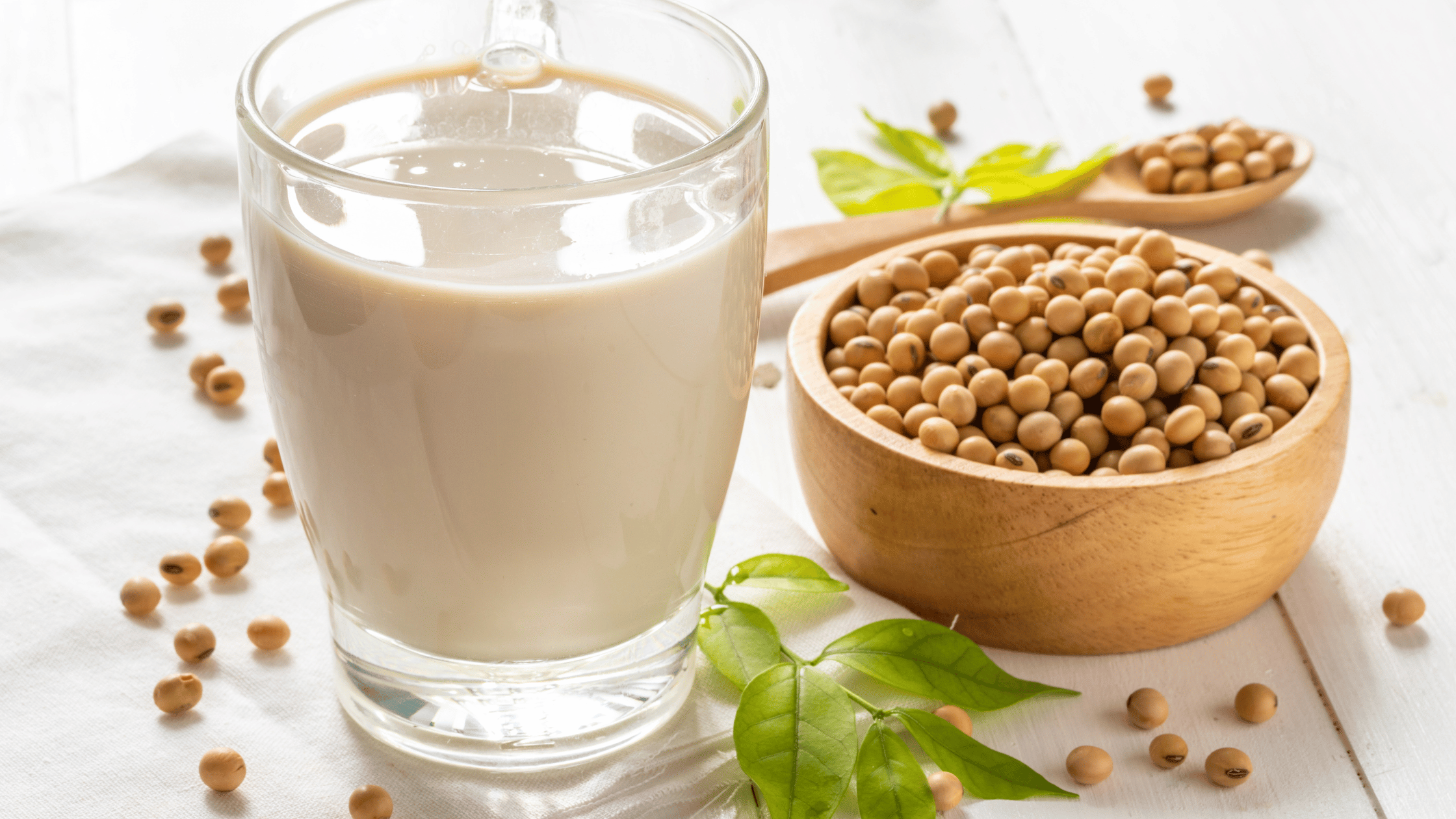
In recent years, health-conscious consumers have become increasingly interested in natural, plant-based ingredients that deliver real nutritional benefits. Among the rising stars of superfoods, one humble ingredient is often overlooked, even though it’s been around for centuries: soy protein extract.
Found in everything from fitness supplements and health drinks to meat alternatives and baked goods, soy protein extract offers a powerful combination of health benefits, accessibility, and versatility. But it’s more than just a popular ingredient — it’s a nutrient-dense, body-boosting powerhouse that may already be in your local grocery store or favorite café.
In this article, we’ll explore what soy protein extract is, how it’s made, and why it’s considered one of the most underrated superfoods right in your neighborhood.
🌱 What Is Soy Protein Extract?
Soy protein extract is a highly concentrated form of protein derived from soybeans. During processing, the soybeans are dehulled and defatted to remove the oil content. What remains is a protein-rich soy flour, which can then be processed into different forms like:
- Soy protein concentrate – about 70% protein
- Soy protein isolate – up to 90% pure protein
- Textured soy protein (TSP) – often used as a meat substitute
Unlike whole soybeans or tofu, which contain fiber, fat, and other nutrients, soy protein extract is refined to deliver maximum protein in a compact form — ideal for athletes, vegetarians, vegans, and anyone looking to boost their protein intake.
🧬 Nutritional Benefits of Soy Protein Extract
✅ 1. Complete Plant-Based Protein
One of the most impressive features of soy protein extract is that it’s a complete protein — meaning it contains all nine essential amino acids that your body cannot produce on its own.
This sets it apart from most other plant proteins (like rice or pea protein), which often lack certain amino acids.
✅ 2. Heart Health Support
Soy protein has been shown to reduce LDL cholesterol levels, which are associated with an increased risk of heart disease. The FDA even allows food manufacturers to claim that 25 grams of soy protein per day may help reduce the risk of heart disease, when combined with a diet low in saturated fat and cholesterol.
Soy also contains compounds called isoflavones, which have antioxidant and anti-inflammatory properties that contribute to cardiovascular health.
✅ 3. Weight Management and Satiety
Because it’s high in protein and low in fat and carbs, soy protein extract is ideal for weight control. Protein takes longer to digest than carbohydrates, meaning it keeps you feeling full for longer, reducing the urge to snack between meals.
This can help:
- Stabilize blood sugar
- Support lean muscle development
- Promote healthy weight loss
✅ 4. Bone Health and Hormonal Balance
Isoflavones in soy mimic the hormone estrogen in the body — a property that’s especially beneficial for postmenopausal women, who are at risk of bone loss due to declining estrogen levels.
Regular consumption of soy protein has been associated with:
- Improved bone mineral density
- Hormonal balance in women
- Reduced menopausal symptoms like hot flashes
🍛 Versatile and Easy to Incorporate
Soy protein extract isn’t just healthy — it’s incredibly easy to incorporate into your daily meals. Thanks to its neutral flavor and adaptable texture, it can be added to a wide variety of foods and recipes.
Popular uses include:
- Smoothies and protein shakes
- Energy bars and snacks
- Meat substitutes like soy burgers or nuggets
- Baked goods including breads, muffins, and pancakes
- Soups, stews, and sauces for an added protein boost
You don’t need to overhaul your diet — just look for soy protein isolate or concentrate on the ingredients list of products you already love, or add a scoop of soy protein powder to your morning routine.
🌍 Sustainable and Accessible
Beyond nutrition, soy protein extract is environmentally sustainable and widely available, making it a smart choice for both health and the planet.
🌿 Environmental Benefits:
- Requires less land and water than animal protein
- Produces fewer greenhouse gas emissions
- Can be grown locally in many regions, reducing carbon footprint
In many areas, especially across Asia, soy-based products are already part of traditional diets — which means you may already have access to high-quality soy protein sources right in your community.
Choosing soy protein isn’t just good for you — it’s a vote for sustainable food systems and local agriculture.
⚠️ Are There Any Downsides?
While soy protein extract is safe and beneficial for most people, there are a few considerations to keep in mind:
1. Allergies
Soy is one of the top eight food allergens. Individuals with a soy allergy should avoid soy protein in all forms.
2. Processing Concerns
Some ultra-processed soy products may contain additives, fillers, or high sodium. It’s best to choose non-GMO, organic, or minimally processed soy protein when possible.
3. Hormonal Effects
The isoflavones in soy have mild estrogen-like effects. While this is usually beneficial, those with specific hormonal conditions (e.g., certain cancers) should consult a healthcare provider before consuming soy protein supplements regularly.
🛒 Choosing the Right Soy Protein Product
When shopping for soy protein extract products, look for these tips:
- Check the protein content per serving — aim for 15–25g per serving
- Choose non-GMO and organic labels when possible
- Avoid artificial sweeteners and unnecessary fillers
- Read ingredient labels carefully — “soy protein isolate” or “concentrate” should be near the top of the list
Some trusted forms include:
- Soy protein powders (great for smoothies)
- Ready-to-drink soy shakes
- Soy-based meat substitutes
- Fortified cereals or snack bars
✅ Conclusion: A Superfood Worth Knowing
Whether you’re trying to eat healthier, increase your protein intake, support sustainable food choices, or simply add more variety to your diet, soy protein extract is a local, accessible superfood with far-reaching benefits.
It’s more than just a delicious ingredient — it’s a complete protein, heart-healthy, easy to use, and environmentally friendly. Best of all, it’s likely available nearby, waiting to be rediscovered in your everyday meals.